
Psychological Therapies
Integrative Therapeutic Approach
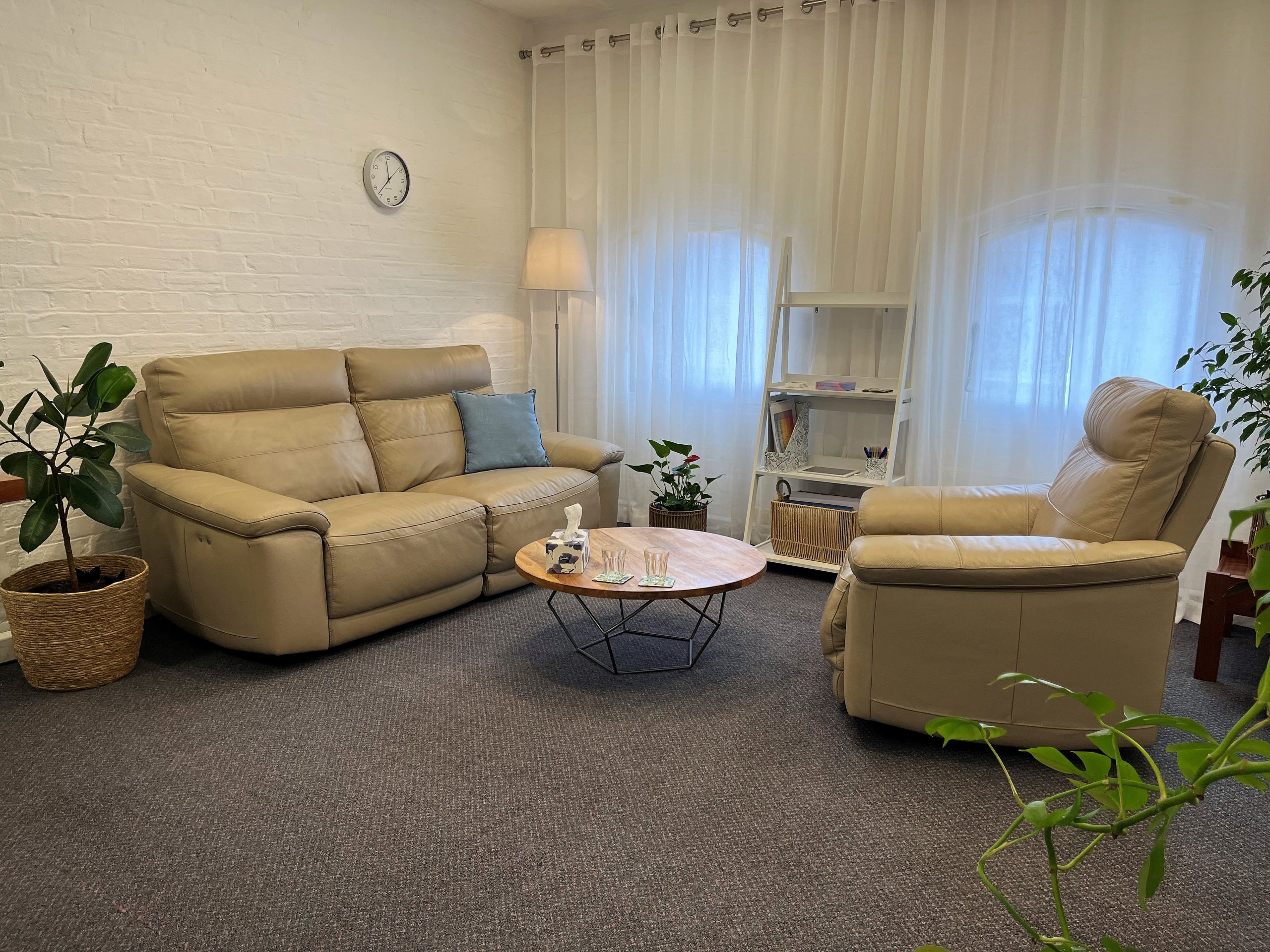
Southern Psychology & Neurotherapy provides individual psychological therapy for adults (18 and over) for a range of mental health difficulties. The main therapies used are Acceptance and Commitment Therapy (ACT), Cognitive Behavioural Therapy (CBT) and CBTi (for insomnia), and Eye Movement Desensitisation & Reprocessing therapy (EMDR).
For some clients, biofeedback techniques (including neurofeedback) are integrated within conventional therapy to enhance effectiveness. An example may be monitoring brain wave activity or heart rate variability to support learning a new relaxation training technique. This approach can be particularly helpful for those experiencing difficulties with nervous system regulation – e.g. insomnia/sleep difficulties, feeling stress or anxiety in the body (including panic attacks), hypervigilance, and a “busy brain”.
Primary Psychological Therapies Used
ACT
Acceptance & Commitment Therapy (ACT) helps people accept what is out of their control, and commit instead to actions that enrich their lives (Harris, 2013). Accepting and allowing thoughts and feelings is encouraged, rather than fighting or resisting them, or becoming upset at having them. ACT helps people identify and pursue what’s most important to them, and develop greater flexibility in the way they think, feel and behave.
For more information, go to www.actmindfully.com.au.
CBT & CBTi (Insomnia)
Cognitive Behavioural Therapy (CBT) is based on the premise that how people think and act affects how they feel. CBT is helpful for recognising, challenging and changing unhelpful patterns of thinking and behaviour. It can include learning practical skills such as relaxation, problem solving and effective communication. To learn more, go to https://www.healthdirect.gov.au/cognitive-behaviour-therapy-cbt
CBTi is specialised CBT for insomnia – a mental health disorder invoving maked difficulties falling asleep, staying alseep, or unwanted early morning wakenings. For more information about CBTi, go to the Sleep Health Foundation or download their information sheet: CBT-I (SHF).
EMDR
Eye Movement Sensitisation & Reprocessing (EMDR) therapy can help people recover from the symptoms and emotional distress resulting from disturbing life experiences. The therapy doesn’t require talking in detail about distressing memories, or attempting to directly change thoughts, feelings or behaviours. The reprocessing phase of the therapy involves the client focusing on a disturbing or distressing memory, while also focussing on the present, by tracking alternating left/right hand movements made by the therapist (or in some cases, focusing on alternating left/right sounds).
Biofeedback Techniques
Biofeedback can be used to help regulate the body and brain, and can enhance the effectiveness of psychological therapy. It’s recognised as a valuable adjunct to CBTi therapy for insomnia. At Southern Psychology & Neurotherapy, a number of biofeedback techniques are used, with the main ones being neurofeedback and heart rate variability biofeedback (HRV-B).
According to the Association for Applied Psychophysiology & Biofeedback (AAPB), “Biofeedback is a process that enables an individual to learn how to change physiological activity for the purposes of improving health and performance. Precise instruments measure physiological activity such as brainwaves, heart function, breathing, muscle activity, and skin temperature. These instruments rapidly and accurately “feed back” information to the user. The presentation of this information — often in conjunction with changes in thinking, emotions, and behavior — supports desired physiological changes. Over time, these changes can endure without continued use of an instrument”.

Neurofeedback (EEG Biofeedback)
Neurofeedback is type of biofeedback which involves monitoring brain activity. The most common type of neurofeedback is EEG neurofeedback, which measures the electrical activity of the brain (the electroencephalogram). Changes in brain activity are shown to the partcipant, usually reflected in a simple video game, or a movie. When the brain produces more of the desired activity, the video game character progresses, or the movie becomes bright and clear. Over time, the participant learns to change brain activity, bringing about positive changes in thoughts, feelings and behaviours.
To learn more about neurofeedback at Southern Psychology & Neurotherapy, click here.
Heart Rate Variability Biofeedback (HRV-B)
HRV-B involves monitoring the intervals between heart beats while practising a special breathing technique to help regulate the body’s “fight or flight” and “rest and digest” states of the autonomic nervous system. There’s strong research evidence showing HRV-B has significant benefits for both mental and physical health. HRV-B can be easily be done at home. It works well as an adjunct to psychological therapy, and also in combination with neurofeedback.
To view a short YouTube video which provides a great overview of HRV-B, click here.
Other Types of Biofeedback
Additional biofeedback techniques are sometimes used in session to monitor and provide information about the moment to moment state of the body and brain. These may include monitoring surface EMG (muscle tension), hand temperature (warmer hands usually indicate greater calm/relaxation), and galvanic skin response (tiny changes in sweat levels on the skin’s surface can indicate stress). By becoming more aware of these states, we can learn to have greater control over them.
To learn more about biofeedback, click here.